
 Skip to content
If you are looking for Mole Removal in Islamabad, Dr. Namrah Aziz provides dermatologist-led assessment and personalised treatment based on the type, location, appearance, and characteristics of the mole. The recommended approach may vary depending on whether the mole is raised, flat, irritated, or causing a cosmetic concern.
A mole, medically known as a nevus, is a common skin growth that develops when pigment-producing cells called melanocytes grow in a cluster. Moles can vary in colour from light brown to dark brown or black and may be flat or raised.
Some moles are present from birth, while others develop during childhood, adolescence, or adulthood. Sun exposure and genetic factors can influence the number and appearance of moles a person develops.
Most ordinary moles are harmless. However, changes in an existing mole or the appearance of a new unusual lesion can sometimes require medical assessment.
That is why the first step in mole removal is not deciding which procedure to use. It is determining what the mole is and whether it is safe to remove it cosmetically
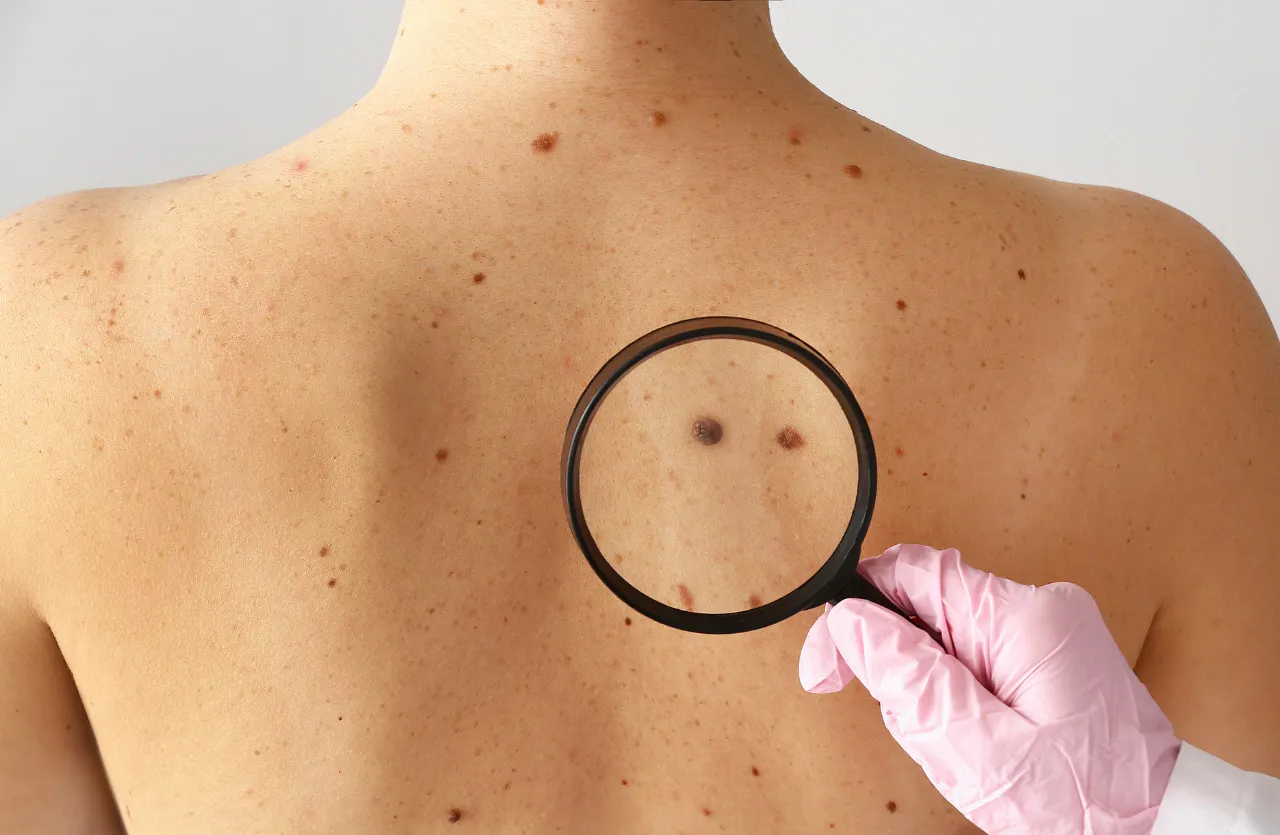

If a mole is harmless but bothers you because of its appearance, location, repeated irritation, or other practical concerns, removal may be considered.
At Dr. Namrah Aziz’s clinic, laser treatment for Mole Removal in Islamabad begins with an individual skin assessment. The mole is examined before deciding whether removal is appropriate and which technique is most suitable.
The location of the mole matters. A treatment approach for a small raised mole on the cheek may differ from one used for a lesion on the neck or body. Facial skin also requires particular attention because the aim is not simply to remove the growth but to achieve the best possible cosmetic outcome while minimising unnecessary skin trauma.
Not every mole requires removal, but certain changes deserve professional attention. A Dermatologist can examine the lesion and determine whether further evaluation is needed. If you are unsure what to expect during a consultation, our guide on Your First Dermatologist Visit in Pakistan explains how a dermatology appointment typically works and what you may be asked about.
A mole that is noticeably growing or changing in size should be assessed, particularly if the change happens relatively quickly.
An irregular or asymmetrical shape may warrant closer examination, especially when it is different from your other moles.
A mole developing multiple colours, becoming significantly darker, or showing uneven pigmentation should be evaluated rather than treated cosmetically without assessment.
A mole that repeatedly bleeds, crusts, becomes sore, or develops persistent irritation should be examined by a Dermatologist.
Occasional irritation does not necessarily indicate a serious problem, but persistent itching or other changes should not be ignored.
A new mole that looks significantly different from your other moles may require professional assessment. These symptoms do not always indicate that a mole is malignant. They simply indicate that a Dermatologist should determine what is causing the change.
Some moles are best removed using a minor surgical procedure. The mole is carefully removed from the skin, and the area may require stitches depending on its size and depth. Surgical removal also allows tissue to be sent for histopathological examination when medically indicated. This can be particularly important when there is uncertainty about the nature of a lesion.
A raised mole that is considered suitable for shave removal may be carefully removed at the level of the surrounding skin. This technique can be appropriate for selected benign raised lesions. Your Dermatologist will determine whether shave removal is suitable based on the mole’s characteristics and location.
Laser mole removal may be considered for certain superficial, benign lesions where clinically appropriate. However, laser treatment is not automatically the best option for every mole. A Dermatologist should first assess the lesion because destroying tissue without appropriate evaluation may make later diagnosis more difficult if the mole has suspicious features.
Radiofrequency treatment may be considered for selected raised, benign skin lesions when the Dermatologist feels it is appropriate. The technique uses controlled energy to remove the targeted tissue while aiming to minimize unnecessary damage to the surrounding skin.
Fractional CO₂ laser treatment may be considered for certain clinically assessed benign moles, particularly when a precise cosmetic approach is appropriate. The Dermatologist evaluates the mole first to determine whether CO₂ laser is suitable and to minimize unnecessary effects on the surrounding skin.
Depending on the type of lesion, other dermatological procedures may occasionally be considered. The recommended method should be based on diagnosis, safety, location, appearance, and the desired cosmetic outcome.
Laser treatment can sound appealing because it may seem like a simple cosmetic solution. However, removal of mole with laser is not appropriate for every mole.
Before considering laser treatment, a Dermatologist should assess the lesion and determine whether it appears suitable for a cosmetic procedure. If there are suspicious features, removal and tissue examination may be more appropriate.
For a clearly benign lesion that is suitable for laser-based treatment, your dermatologist can explain the expected benefits, limitations, number of sessions if relevant, and possible skin reactions. The important point is that the safest treatment is determined by the diagnosis, not simply by the type of equipment available.
Moles on the face are one of the most common cosmetic concerns because they can be highly visible. Even a small mole on the cheek, nose, forehead, chin, or around the lips may affect how someone feels about their appearance.
Mole removal on face requires careful planning because facial skin is visible and scars or pigmentation changes can sometimes be noticeable.
Before treatment, your Dermatologist considers:
The aim is to remove the unwanted lesion safely while taking reasonable steps to achieve a good cosmetic result.
If you are searching for how to remove moles from face, it is important to avoid trying to remove them yourself.
Home methods involving cutting, burning, acids, garlic, tying off the mole, or unverified creams can cause infection, bleeding, burns, pigmentation changes, and permanent scarring. More importantly, they may destroy tissue that should have been assessed.
The safer approach is:
A Dermatologist examines the mole and determines whether it appears benign and suitable for removal.
If removal is appropriate, your Dermatologist explains which procedure may work best for the mole and its location.
You should know about possible redness, pigmentation changes, infection, recurrence, and scarring before proceeding.
Proper wound and skincare after treatment can support healing and help reduce avoidable complications.
The Mole Removal Cost in Islamabad can vary because there is no single procedure or price that applies to every mole. The final cost depends on the mole’s size, location, number of lesions, removal technique, and whether any additional examination is required.
For transparency, you can present the pricing on the website as an indicative price range, rather than promising one fixed fee before the mole has been assessed.
Mole Removal Treatment | Indicative Cost |
Consultation & Mole Assessment | PKR 2,000–5,000 |
Small Mole Removal | PKR 5,000–10,000 |
Facial Mole Removal | PKR 7,000–15,000 |
Laser Mole Removal | PKR 8,000–20,000 |
Multiple Mole Removal | From PKR 15,000 |
Histopathology, if Required | Additional |
Please note: These are indicative ranges for website guidance and may vary according to the individual case. The exact Mole Removing Cost in Islamabad is confirmed after a Dermatologist examines the mole and determines the most appropriate treatment.
The price may change depending on whether the mole is located on the face or body, its size and depth, the number of moles being treated, and whether surgical removal or another technique is recommended. If tissue needs to be examined in a laboratory, histopathology may also involve an additional charge.
Important: The cheapest removal option is not necessarily the safest. A changing or suspicious mole should be medically assessed before cosmetic removal.
The exact experience depends on the selected procedure.
Before treatment, the area is cleaned and prepared. For procedures requiring local anaesthesia, the skin is numbed to make the treatment more comfortable.
The mole is then removed using the selected technique. The procedure itself may be relatively quick for a small lesion, although treatment time varies according to the mole and removal method.
Afterward, you may receive instructions about:
If the mole is surgically removed and tissue is sent for laboratory examination, your Dermatologist will explain when and how the result will be communicated.
Aftercare plays an important role in proper healing. Your Dermatologist will provide instructions based on the procedure performed and the condition of your skin.
Follow the recommended cleansing and wound-care instructions to reduce the risk of infection.
Touching, scratching, or removing a developing scab can interfere with healing and increase the chance of irritation or scarring.
Freshly treated skin can be particularly sensitive to sunlight. Appropriate sun protection can help reduce the risk of prolonged pigmentation changes.
If your Dermatologist recommends a specific ointment, dressing, or follow-up appointment, follow those instructions carefully.
Healing varies between individuals, so avoid comparing your recovery with someone else’s experience.
Any procedure that removes part of the skin has the potential to leave some degree of scarring. However, the appearance of the final mark can vary considerably.
Factors that may influence healing include:
Some small treated areas may heal with a subtle mark, while deeper surgical removal may result in a more noticeable scar. During your consultation, Dr. Namrah Aziz can discuss the likely cosmetic outcome based on your particular mole rather than promising a completely scar-free result.
Choosing a best Dermatologist in Islamabad for mole removal treatment is about more than selecting a cosmetic procedure. The first priority should be determining whether the lesion is appropriate for removal and which approach provides the best balance between safety and appearance.
Dr. Namrah Aziz takes a personalised approach to mole assessment and treatment. Your concerns, the characteristics of the mole, its location, and your desired cosmetic outcome are considered before recommending a procedure.
At Restore Skin, the focus is on clear communication and realistic expectations. You can discuss the reason for removal, understand the available options, and receive guidance about healing and aftercare before making a decision.
Get straightforward answers about treatment of mole , treatment options, safety, healing, costs, and what to expect from your consultation.
A dermatological technique called "mole removal" is used to get rid of an unsightly mole from the skin. Depending on the mole's type, size, location, and characteristics, treatment may involve surgical removal, shave removal, laser treatment, or another appropriate technique.
Many benign moles can be removed when there is a suitable medical or cosmetic reason. However, the appropriate method depends on the individual mole. A Dermatologist should assess it first, particularly if it has changed or appears unusual.
Laser mole removal may be suitable for selected benign lesions, but it is not appropriate for every mole. A Dermatologist should assess the mole before laser treatment to determine whether cosmetic removal is medically appropriate.
The safest way to remove a facial mole is through a professional assessment by a Dermatologist. Avoid cutting, burning, applying acids, or using home remedies, as these methods can cause infection, scarring, pigmentation changes, and other complications.
A dermatologist should evaluate a changing mole initially. Removal may be recommended, but the priority is determining whether the lesion requires further evaluation or laboratory examination before choosing a cosmetic removal method.
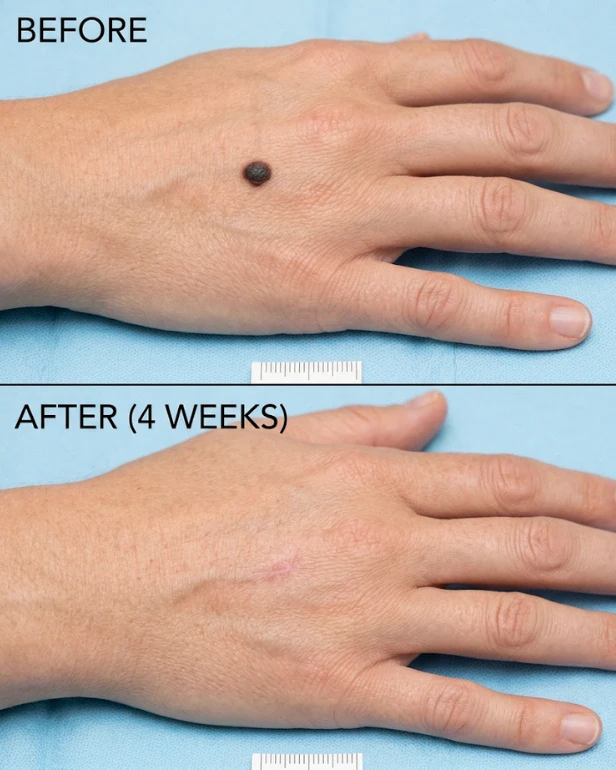
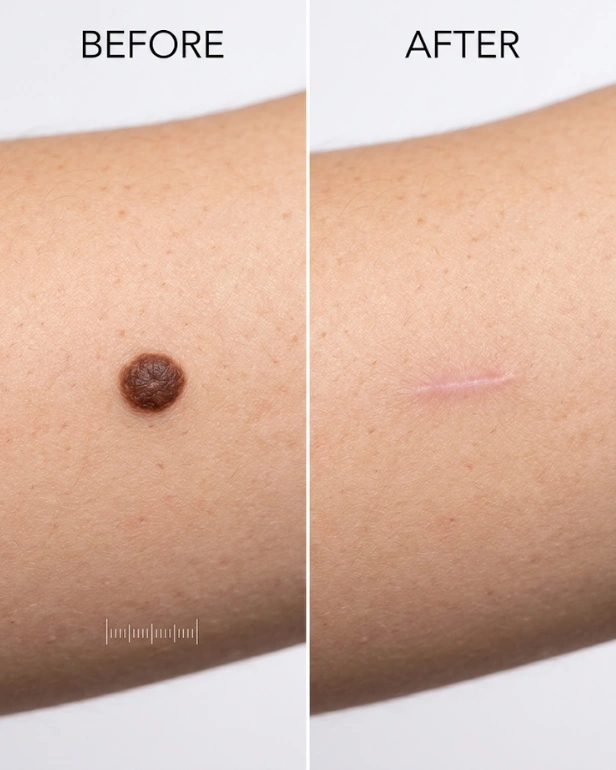
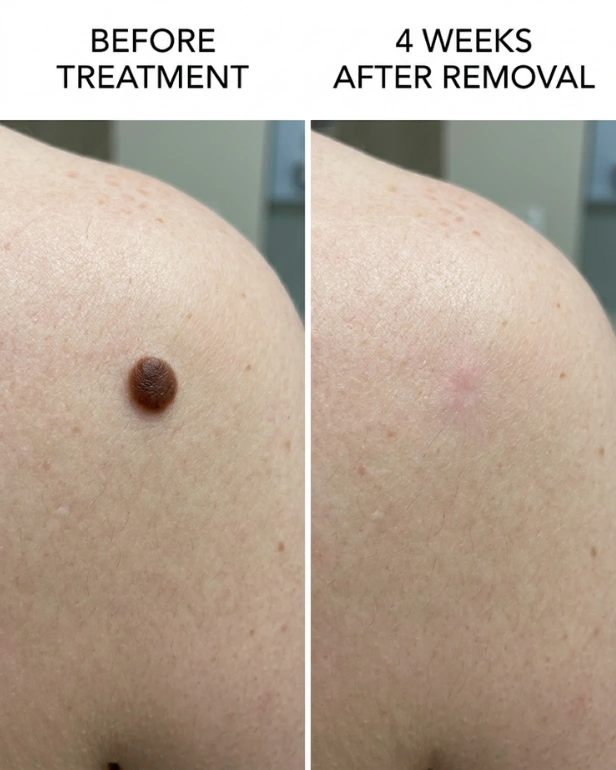
EXCELLENT Based on 422 reviews
 Posted on Google

 Hina KhanAlhamdollillah. Indeed Allah has blessed the power of healing in Doc Namra's hands. Highly recommended 😊❣Posted on Google
 Mashal HaseebLoved my experience 10/10 Highly recommendedPosted on Google
 humaira samarAmazing doctors ,nice staff,excellent resultsPosted on Google
 Amna ShahHad a great experience with Dr Iqra Bukhari. Professional staff. Highly recommended.Posted on Google
 Ashir khan KhanVery good derma doctorPosted on Google
 Salwa ZDr. Namra was absolutely amazing. She was super nice, very patient, and incredibly cooperative throughout my visit. She made everything feel comfortable and easy, and her kindness honestly made my day. I couldn’t have asked for a better experience and would totally recommend her.Posted on Google
 Shahzadi mirzaDr sahira gul treated my acne and pigmentation And I am 100 percent satisfied with herPosted on Google
 G SAJJADVery wonderful experience,Satisfied.Verified by TrustindexTrustindex verified badge is the Universal Symbol of Trust. Only the greatest companies can get the verified badge who has a review score above 4.5, based on customer reviews over the past 12 months. Read more
If a mole has been bothering you because of its appearance, location, irritation, or changes over time, professional assessment is the right place to start. For Removal of mole in Islamabad, Dr. Namrah Aziz can assess your mole, explain the available treatment options, and help you understand which approach may be appropriate for your skin and individual concerns. Book a consultation at Restore Skin to discuss your mole and receive personalised dermatology advice.
WhatsApp us
 Optimized by Seraphinite Accelerator