Skip to content

Hair loss can affect confidence, self-image, and overall quality of life. Whether you have noticed gradual thinning, excessive shedding, or a receding hairline, finding an effective treatment can feel overwhelming. While traditional options such as medications, PRP therapy, and hair transplantation remain popular, exosomes for hair loss have emerged as one of the most promising advancements in regenerative medicine.
Unlike treatments that only manage symptoms, exosomes therapy for hair loss is designed to support the scalp’s natural healing process and encourage healthier hair follicles. These tiny extracellular vesicles contain growth factors, proteins, and signaling molecules that help repair damaged tissues and promote an environment where hair can grow more effectively. Although research is still evolving, early studies and clinical experience suggest that exosome therapy may improve hair density, reduce shedding, and enhance overall hair quality in suitable candidates.
At Restore Skin, treatment plans are tailored to each patient’s unique hair concerns. Under the care of Dr. Namrah Aziz, a FCPS dermatologist in Islamabad patients receive a comprehensive assessment to determine the underlying cause of hair loss before recommending advanced regenerative treatments such as exosome therapy.
What Are Exosomes?
Exosomes are microscopic extracellular vesicles naturally released by cells in the body. They act as biological messengers, carrying proteins, growth factors, lipids, RNA, and other signaling molecules between cells. Their role is to support communication, tissue repair, and regeneration throughout the body.
In regenerative dermatology, exosome therapy in Islamabad uses carefully processed exosomes derived from ethically sourced stem cells. Rather than becoming new cells themselves, exosomes deliver powerful biological signals that stimulate existing cells to function more effectively. This makes them an exciting option for non-surgical hair restoration.
When applied to the scalp, exosomes may:
- Stimulate inactive or weakened hair follicles.
- Support healthier follicle function.
- Reduce inflammation around hair follicles.
- Encourage tissue repair within the scalp.
- Improve the environment needed for healthy hair growth.
Because they work by supporting the body’s natural regenerative processes, exosomes represent a different approach compared to traditional hair loss treatments.
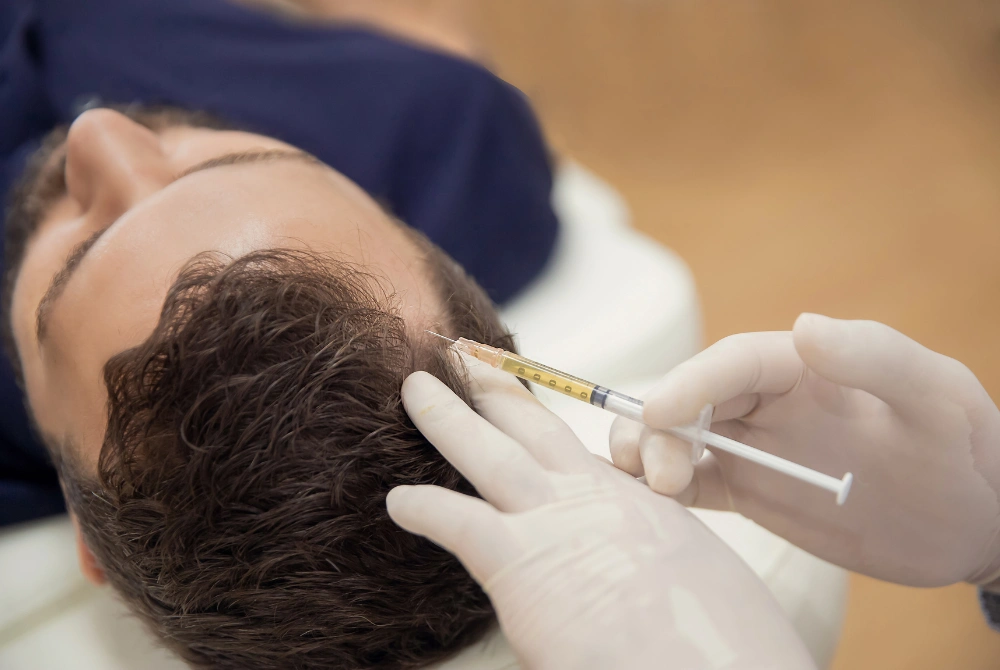
How Does Exosomes Treat Hair Loss?
Healthy hair follicles rely on a strong blood supply, balanced cellular activity, and an optimal scalp environment. Factors such as genetics, ageing, hormonal changes, stress, nutritional deficiencies, and certain medical conditions can gradually weaken follicles, leading to thinner, weaker hair.
Exosomes for hair loss works by delivering regenerative signaling molecules directly into targeted areas of the scalp. These signaling molecules help activate cellular repair mechanisms and encourage communication between surrounding cells.
The treatment may contribute to:
- Supporting healthier hair follicle activity.
- Improving scalp regeneration.
- Encouraging better blood vessel formation around follicles.
- Reducing inflammatory processes that contribute to hair thinning.
- Promoting stronger and thicker hair over time.
Unlike hair transplant surgery, exosomes for hair loss does not create new hair follicles. Instead, it focuses on improving the function of existing follicles that have become weak or dormant. This is why the treatment is generally most effective for individuals experiencing early to moderate hair thinning rather than complete baldness.
Who Can Benefit from Exosome Therapy?
Exosome therapy may be suitable for individuals experiencing different types of hair loss, particularly when viable hair follicles are still present.
It may benefit patients with:
Male Pattern Baldness
Men with early to moderate androgenetic alopecia often experience gradual thinning around the temples and crown. Exosome therapy may help strengthen existing follicles and slow further progression when combined with an appropriate alopecia treatment plan.
Female Pattern Hair Loss
Women commonly notice widening of the hair part or overall reduction in hair volume. Regenerative therapies may improve hair density while supporting healthier scalp conditions.
Early Hair Thinning
Patients who seek treatment soon after noticing increased shedding generally have a better chance of preserving existing follicles and achieving noticeable improvement.
Postpartum Hair Loss
Hormonal fluctuations after pregnancy can trigger temporary shedding. Following proper medical evaluation, exosomes for hair loss may be considered for selected patients once underlying causes have been addressed.
Stress-Related Hair Shedding
Physical illness, emotional stress, surgery, or major life events can lead to temporary hair loss known as telogen effluvium. While many cases improve naturally, regenerative treatments may support recovery in some individuals after medical assessment.
Hair Weakening After Illness
Some patients experience persistent hair thinning following significant illnesses or nutritional deficiencies. A dermatologist can identify the underlying cause and determine whether exosome therapy may be an appropriate option as part of a personalized treatment plan.

Benefits of Exosomes For Hair Loss
One of the reasons exosomes for hair loss treatment have attracted significant attention is their regenerative potential. Instead of simply masking hair loss, exosome therapy aims to improve the health of existing hair follicles and create a better environment for natural hair growth. Many patients have progressive improvements over several months, while individual outcomes differ.
May Improve Hair Density
Exosome therapy can stimulate weakened hair follicles, encouraging them to produce thicker, healthier hair strands. Patients with early-stage hair thinning often notice improved hair density as new growth develops.
Helps Reduce Hair Shedding
Excessive daily hair shedding can be distressing. By supporting healthier follicle function, exosome therapy may help reduce ongoing hair loss and improve overall hair retention.
Supports Stronger Hair Follicles
Healthy follicles are essential for long-term hair growth. The growth factors and signalling molecules delivered through exosomes may strengthen weakened follicles, making hair less prone to breakage and thinning.
Non-Surgical Hair Restoration
Unlike hair transplant surgery, exosome therapy is a minimally invasive treatment performed using small injections into the scalp. There are no surgical incisions, stitches, or lengthy recovery periods.
Minimal Downtime
Within a day, the majority of patients resume their regular jobs and activities. Mild redness or tenderness at the injection sites usually settles quickly.
Natural-Looking Results
Because the treatment enhances the function of your existing hair follicles, improvements develop gradually and appear natural rather than sudden or artificial.
May Complement Other Hair Loss Treatments
Exosome therapy is sometimes combined with treatments such as PRP therapy, medications, or hair transplantation as part of a personalized hair restoration plan recommended by a dermatologist.
What Happens During the Procedure?
Understanding the treatment process helps patients feel more comfortable before undergoing exosome therapy for hair loss.
1. Initial Consultation
If you’re from Islamabad & Rawalpindi the first step is to get a thorough consultation with best skin specialist in Islamabad. Your medical history, pattern of hair loss, scalp condition, and possible underlying causes are carefully evaluated before recommending treatment.
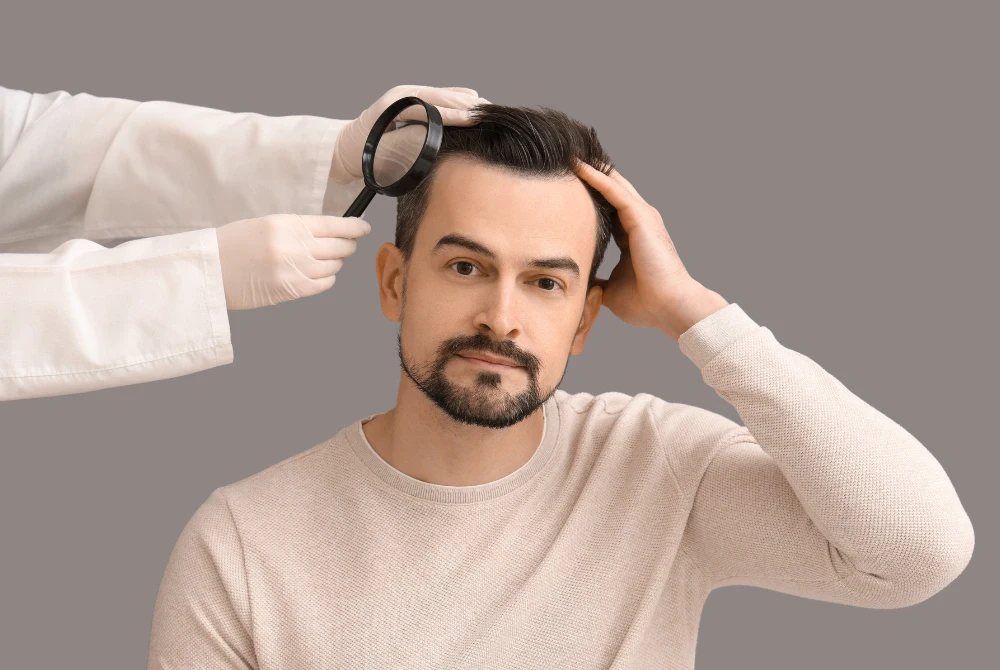
2. Scalp Assessment
A detailed examination helps determine whether you are a suitable candidate. In some cases, blood tests or additional investigations may be recommended to identify nutritional deficiencies or hormonal imbalances contributing to hair loss.
3. Preparation
The scalp is cleaned thoroughly before treatment. A topical numbing cream may be applied to improve comfort during the procedure.
4. Exosome Application
Using fine needles, exosomes are injected into areas affected by hair thinning. The treatment usually takes around 30 to 60 minutes, depending on the size of the treatment area.
5. Aftercare
After the procedure, patients can typically go back home right away. Your dermatologist will provide aftercare instructions, which may include avoiding strenuous exercise, excessive sweating, and washing the scalp for a short period following treatment.
Exosome Therapy vs PRP for Hair Loss
Both exosome therapy and PRP in Islamabad are regenerative treatments, but they work differently. Understanding these differences can help patients discuss the most suitable option with their dermatologist.
| Feature | Exosome Therapy | PRP Therapy |
| Source | Stem cell-derived exosomes | Patient’s own blood platelets |
| Growth Factors | Rich in signalling molecules and regenerative proteins | Platelet-derived growth factors |
| Blood Collection | Not required | Required before treatment |
| Treatment Time | Approximately 30–60 minutes | Approximately 45–60 minutes |
| Downtime | Minimal | Minimal |
| Best For | Hair thinning, weakened follicles, regenerative support | Early hair loss and maintenance |
| Number of Sessions | Varies according to individual needs | Usually multiple sessions are recommended |
| Results | Gradual improvement over several months | Gradual improvement with maintenance sessions |
Both treatments have their advantages, and in some cases, a dermatologist may recommend combining regenerative therapies for optimal outcomes.
Are There Any Side Effects?
When performed by an experienced dermatologist using appropriate protocols, exosome therapy is generally considered well tolerated. As with any injectable treatment, temporary side effects can occur.
These may include:
- Mild redness at the injection sites
- Temporary swelling
- Slight scalp tenderness
- Minor bruising
- Temporary itching
These effects usually resolve within a few days.
Patients should always discuss their complete medical history before treatment, especially if they have:
- Active scalp infections
- Certain autoimmune conditions
- Bleeding disorders
- Pregnancy or breastfeeding
- Allergies to treatment components (where applicable)
Receiving treatment from a qualified dermatologist helps ensure patient safety and appropriate candidate selection.
Who Is a Good Candidate for Exosomes?
Exosome therapy is not suitable for everyone, which is why a proper consultation is essential before treatment.
You may be a good candidate if you:
- Have early to moderate hair thinning
- Notice increased hair shedding
- Have male or female pattern hair loss
- Want a non-surgical hair restoration option
- Have healthy but weakened hair follicles
- Prefer minimal downtime
You may not be an ideal candidate if:
- You have complete baldness with inactive follicles.
- Hair loss is caused by untreated medical conditions.
- You have an active scalp infection.
- Your dermatologist determines another treatment would provide better results.
At Restore Skin, Dr. Namrah Aziz a best female dermatologist in Islamabad develops personalized treatment plans based on the cause of your hair loss rather than recommending a one-size-fits-all approach.
When Can You Expect Results?
Hair restoration is a gradual process, and patience is important regardless of the treatment chosen.
While every patient responds differently, many individuals may experience:
- First few weeks: Mild reduction in hair shedding.
- Around 2–3 months: Early improvement in hair quality and strength.
- Around 4–6 months: Noticeable increase in hair density in suitable candidates.
- 6–12 months: Continued improvement depending on individual response and treatment plan.
Maintaining realistic expectations and following your dermatologist’s recommendations play an important role in achieving the best possible outcome.
Exosomes Cost for Hair Loss in Pakistan
One of the most common questions patients ask is, “How much does exosomes for hair loss cost in Pakistan?” Since each treatment plan is customized to the patient’s hair loss pattern and treatment objectives, the answer relies on a number of factors.
The cost of exosome therapy for hair loss may vary based on:
- The severity of hair thinning or hair loss.
- The size of the treatment area.
- The type and quality of exosome product used.
- The number of sessions recommended.
- The experience and qualifications of the treating dermatologist.
- The clinic’s facilities and treatment protocols.
Because every patient requires a personalized approach, it is not possible to provide a single fixed price without a consultation. During your appointment, your dermatologist will assess your scalp, identify the cause of hair loss, and recommend the most appropriate treatment plan along with a detailed cost estimate.
While exosome therapy may involve a higher initial investment than some traditional treatments, many patients choose it because of its regenerative potential and minimally invasive nature. The focus should always be on receiving safe, evidence-based treatment from a qualified dermatologist rather than selecting a clinic based on price alone.
Why Choose Restore Skin for Exosome Therapy?
Choosing the right clinic is just as important as choosing the right treatment. Hair loss has many possible causes, and effective management begins with an accurate diagnosis.
At Restore Skin, every patient undergoes a comprehensive consultation before any treatment is recommended. Rather than following a standard protocol, Dr. Namrah Aziz, an FCPS-certified dermatologist, develops personalized treatment plans based on your medical history, scalp condition, type of hair loss, and long-term goals.
Patients choose Restore Skin because of:
- Personalized treatment plans tailored to individual needs.
- Care from Dr. Namrah Aziz, an experienced dermatologist.
- Modern regenerative treatment options for hair restoration.
- A strong focus on patient safety and ethical medical practice.
- Evidence-based recommendations rather than unnecessary procedures.
- Ongoing follow-up to monitor progress and optimize results.
The objective is always to get the greatest possible result utilizing a customized approach, regardless of whether exosome therapy is advised alone or in conjunction with therapies like PRP therapy or hair transplantation.
Frequently Asked Questions
Does exosome therapy really work for hair loss?
Research into exosome therapy is ongoing, and early studies have shown encouraging results for certain types of hair loss. Many patients experience reduced shedding and improved hair density, although results vary depending on the underlying cause of hair loss and individual response to treatment.
Is exosome therapy painful?
Most patients tolerate the procedure well. A topical numbing cream is usually applied before treatment to minimize discomfort, and any mild tenderness typically resolves within a day or two.
How many exosomes sessions are required?
Depending on the individual, different sessions are needed. Some patients may benefit from a single treatment, while others may require additional sessions depending on the severity of hair loss and their treatment goals.
Can exosome therapy replace a hair transplant?
Not always. Exosomes for hair loss works by supporting existing hair follicles and is generally most effective for patients with early to moderate hair thinning. Individuals with advanced baldness may still require a hair transplant to restore lost hair.
Is there any downtime after treatment?
Downtime is minimal. Most patients return to their normal routine within 24 hours, although strenuous exercise and excessive sweating may need to be avoided for a short period.
Can exosome therapy be combined with PRP?
Yes. In some cases, dermatologists may recommend combining exosome therapy with PRP or other hair restoration treatments to create a comprehensive treatment plan. The best approach depends on your individual diagnosis.
Are the results permanent?
Hair loss is often a progressive condition, particularly when it is caused by genetics. While exosome therapy may improve hair growth and reduce shedding, ongoing maintenance or additional treatments may be recommended to help preserve long-term results.
Who should avoid exosome therapy?
Individuals with active scalp infections, certain medical conditions, or untreated causes of hair loss may not be suitable candidates. A thorough consultation with a qualified dermatologist is essential to determine whether exosome therapy is appropriate.
Conclusion
Hair loss can have a significant impact on confidence, but advances in regenerative medicine have created new possibilities for patients seeking non-surgical hair treatment options. Exosomes for hair loss represent an innovative approach that aims to support healthier hair follicles, reduce shedding, and encourage natural hair growth by enhancing the scalp’s regenerative environment.
While exosome therapy is a promising option, it is not a one-size-fits-all solution. The best results are achieved when treatment is based on an accurate diagnosis, realistic expectations, and a personalized care plan.
If you are experiencing hair thinning or excessive hair loss and want to explore whether exosome therapy for hair loss is right for you, scheduling a consultation with Dr. Namrah Aziz at Restore Skin is the first step. A detailed assessment can help identify the underlying cause of your hair loss and determine the most suitable treatment to restore healthier, fuller-looking hair.
For More Info You Can Follow Us on Social Media