Skip to content

The PRP Hair Treatment Success Rate depends on several factors, including the cause of hair loss, your age, the stage of hair thinning, and the quality of treatment. While results vary from person to person, many suitable candidates experience reduced hair shedding, improved hair density, and healthier hair growth when PRP in Islamabad is performed by an experienced dermatologist and combined with an appropriate treatment plan.
Hair loss is a concern that affects both men and women, often impacting confidence and self-esteem. Whether you’ve noticed increased hair shedding, a widening part, or thinning around the hairline, you’re probably searching for treatments that are safe, effective, and supported by medical evidence. One question dermatologists hear regularly is, “What is the PRP Hair Treatment Success Rate?”
The answer isn’t as simple as a single percentage because every patient’s hair loss is different. Factors such as the underlying cause, how early treatment begins, overall scalp health, and individual response all influence the outcome. However, for carefully selected patients, Platelet-Rich Plasma (PRP) therapy has become one of the most widely used non-surgical treatments for promoting healthier hair growth.
In this guide, we’ll explain how PRP works, what influences its success, what results you can realistically expect, and why having treatment performed by a qualified dermatologist is essential for achieving the best possible outcome.
What Is PRP Hair Treatment?
Platelet-Rich Plasma (PRP) Hair Treatment is a regenerative procedure that uses your own blood to stimulate inactive or weakened hair follicles. Because PRP is prepared from your own blood, the treatment is considered minimally invasive and avoids the use of synthetic substances.
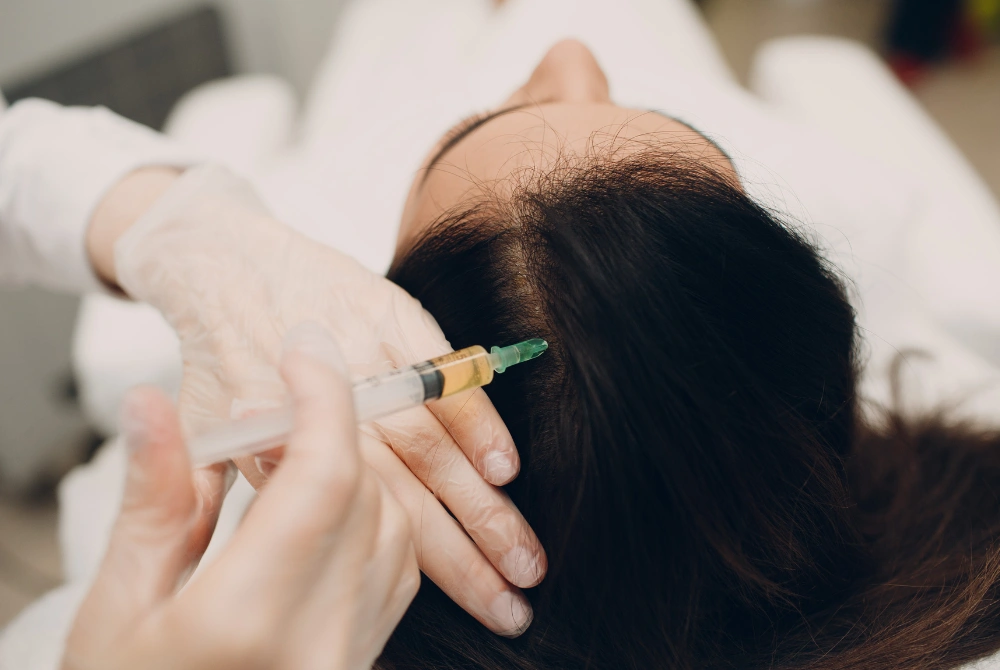
The procedure begins with a small blood sample taken from your arm. This sample is placed into a specialized centrifuge that separates the platelet-rich plasma from other blood components. The concentrated plasma, which contains a high level of growth factors, is then carefully injected into areas of the scalp affected by hair thinning.
These naturally occurring growth factors are believed to support the hair growth cycle by encouraging healthier follicle activity, improving blood supply to the scalp, and creating a more favorable environment for stronger hair growth.
PRP therapy is commonly recommended for people experiencing:
- Male pattern hair loss (androgenetic alopecia)
- Female pattern hair loss
- Early stages of hair thinning
- Increased hair shedding
- Hair weakening after stress or illness (in selected cases)
- Patients wishing to support hair transplant results
Although PRP has shown encouraging results, it is not suitable for every type of hair loss treatment. A dermatologist will first identify the underlying cause before determining whether PRP is likely to be beneficial.
How Does PRP Therapy Work for Hair Loss?
Hair follicles naturally cycle through phases of growth, transition, and rest. In many common types of hair loss, follicles gradually shrink over time, producing finer, weaker hairs until growth slows significantly.
PRP therapy aims to support these weakened follicles by delivering a concentrated source of platelets directly into the scalp. Platelets contain proteins and growth factors that play a role in tissue repair and healing. Researchers believe these growth factors may help stimulate follicle activity and encourage healthier hair growth in appropriate candidates.
Potential benefits include:
- Supporting healthier hair follicles.
- Improving scalp circulation.
- Reducing excessive hair shedding.
- Increasing hair thickness.
- Encouraging stronger hair growth over time.
Because hair grows slowly, these biological changes happen gradually. Most patients require multiple treatment sessions before noticeable improvements occur.
PRP Hair Treatment Success Rate In Pakistan: What Does the Evidence Say?
When patients are thinking about getting therapy, this is one of the most common things they ask. Current clinical research suggests that PRP therapy can improve hair density, hair thickness, and reduce ongoing hair loss in many patients with androgenetic alopecia, particularly when treatment begins during the early stages of hair thinning. Results vary between individuals, and no skin care clinic in Islamabad can honestly guarantee a specific success percentage for every patient.
Rather than focusing on one universal figure, dermatologists evaluate success by looking at improvements such as:
- Reduced daily hair shedding.
- Increased hair density.
- Thicker individual hair strands.
- Better scalp coverage.
- Slower progression of hair loss.
- Higher patient satisfaction.
For suitable candidates, PRP is often considered a valuable part of a comprehensive hair restoration plan. It is commonly combined with other evidence-based treatments, depending on the cause of hair loss, to achieve the best possible results.
One important point to remember is that PRP does not create new hair follicles. Instead, it works by supporting existing follicles that are still active but have become weakened or miniaturized. This is why patients who seek treatment earlier generally achieve better outcomes than those with long-standing or advanced baldness.
Who Will Gain the Most from PRP Hair Treatment?
While PRP has become increasingly popular, not everyone experiences the same results. Careful patient selection is one of the biggest factors influencing the PRP Hair Treatment Success Rate.
You might make a good candidate if you:
- Are experiencing early or moderate hair thinning.
- Have male or female pattern hair loss.
- Still have functioning hair follicles.
- Are generally in good overall health.
- Have realistic expectations about treatment.
- Are willing to complete the recommended number of sessions and maintenance treatments.
PRP may be less effective for people with extensive baldness where hair follicles are no longer active, certain scarring forms of hair loss, or untreated medical conditions contributing to excessive hair shedding. A thorough assessment by a dermatologist is essential before deciding whether PRP is the right option.
Why an Accurate Diagnosis Matters
Hair loss is not a diagnosis it’s a symptom with many possible causes. Treating hair thinning without identifying the underlying problem can lead to disappointing results, even with advanced procedures like PRP.
Before recommending treatment, a dermatologist will assess factors such as:
- Your medical history.
- Family history of hair loss.
- Pattern and duration of hair thinning.
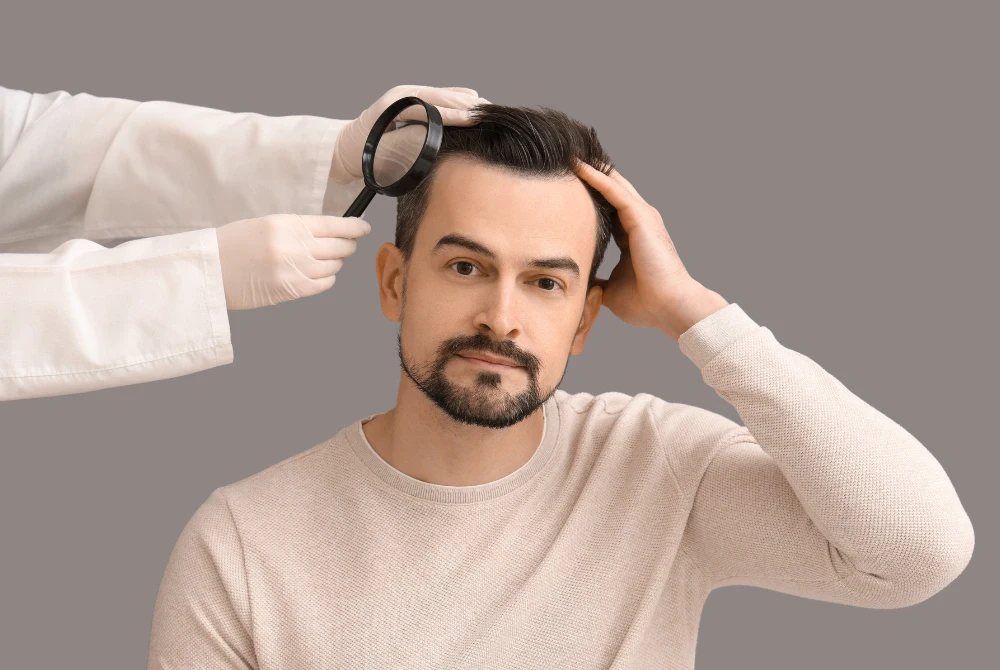
- Scalp examination.
- Previous treatments.
- Lifestyle factors.
- Nutritional deficiencies or hormonal imbalances, if indicated.
This comprehensive evaluation helps determine whether PRP is appropriate or whether another treatment or a combination of treatments is more suitable.
At Restore Skin, Dr. Namrah Aziz believes that successful hair restoration begins with an accurate diagnosis rather than simply selecting the latest treatment. Every patient receives an individual assessment to understand the cause of hair loss before a personalized treatment plan is recommended.

Factors That Influence the PRP Hair Treatment Success Rate
Although PRP therapy has helped many people improve hair growth, no two patients achieve exactly the same results. Several factors influence how well the treatment works, which is why a personalized consultation is essential before starting therapy.
1. The Cause of Hair Loss
PRP is most effective for certain types of hair loss, particularly androgenetic alopecia (male and female pattern hair loss). In these cases, hair follicles are still alive but have become weaker over time.
If hair loss is caused by conditions such as nutritional deficiencies, thyroid disorders, hormonal imbalances, or certain autoimmune diseases, these underlying issues should also be addressed. A personalized alopecia treatment plan may be recommended alongside PRP when necessary, as treating the root cause often improves the overall outcome of hair restoration therapy.
2. How Early Treatment Begins
Timing is one of the biggest factors affecting the PRP Hair Treatment Success Rate.
Patients who begin treatment during the early stages of hair thinning often respond better because more healthy follicles remain capable of producing thicker hair. Once follicles become permanently inactive, PRP cannot bring them back.
This is why dermatologists encourage patients to seek professional advice as soon as they notice persistent hair thinning rather than waiting until significant hair loss has occurred.
3. Age and Overall Health
General health can influence the body’s natural healing response.
Patients with balanced nutrition, healthy lifestyles, and well-managed medical conditions may experience better treatment outcomes than those with uncontrolled health issues that contribute to hair loss.
Age alone does not determine success, but healthier follicles generally respond more predictably to treatment.
4. Quality of the PRP Procedure
Not all PRP treatments are performed in the same way. Several technical factors can affect the quality of the platelet-rich plasma, including:
- Blood collection technique
- PRP preparation method
- Platelet concentration
- Injection technique
- Treatment protocol
Receiving treatment from an experienced dermatologist who follows established clinical protocols can help maximize the potential benefits.
5. Completing the Recommended Sessions
PRP is not a one-time treatment.
Most patients require an initial series of treatment sessions followed by maintenance treatments at intervals recommended by their dermatologist.
Skipping sessions or stopping treatment too early may reduce the overall effectiveness.
When Will You Start Seeing Results?
Hair grows gradually, so PRP requires patience. Unlike cosmetic treatments that produce immediate visible changes, hair restoration occurs over several months.
While every patient is different, many people notice improvements in stages:
First Few Weeks
Some patients notice reduced hair shedding during the first several weeks, although visible hair growth is usually limited at this stage.
After a Few Months
As hair follicles become more active, many patients begin to notice:
- Less hair fall during washing or brushing.
- Improved hair texture.
- Increased hair thickness.
- Better overall scalp coverage.
Long-Term Improvement
Hair continues to grow slowly over time. Patients who follow their dermatologist’s treatment plan and attend maintenance sessions often experience continued improvement in hair quality and density.
It’s important to remember that individual timelines vary, and realistic expectations are essential throughout the treatment process. You can also visit our Before & After Gallery to explore examples of results from different skin, hair, and aesthetic treatments offered at Restore Skin.
Benefits of PRP Hair Treatment
PRP has become one of the most popular non-surgical hair restoration treatments because it offers several potential advantages for suitable candidates.
Possible benefits include:
- Uses your own blood, reducing the risk of allergic reactions.
- Minimally invasive procedure.
- Little downtime after treatment.
- Supports healthier hair follicles.
- May reduce ongoing hair shedding.
- Can improve hair thickness and density.
- Suitable for both men and women.
- Can complement other hair restoration treatments.
- May support healing after hair transplantation.
Because PRP uses naturally occurring components from your own body, many patients appreciate it as a regenerative treatment option rather than a synthetic medication.
Are There Any Risks or Side Effects?
PRP is generally considered safe when performed by a qualified medical professional using sterile techniques. Since the treatment uses your own blood, the risk of allergic reactions is extremely low.
Temporary adverse effects are possible, though, just like with any injection therapy.
Some patients experience:
- Mild scalp tenderness.
- Temporary redness.
- Minor swelling.
- Small bruises at injection sites.
- Temporary headache.
- Mild discomfort for a day or two.
These effects usually resolve without complications.
Choosing an experienced dermatologist helps minimize risks while ensuring that appropriate infection control and treatment protocols are followed.
PRP vs Other Hair Loss Treatments
PRP is just one option among several evidence-based treatments for hair loss. Depending on the diagnosis, your dermatologist may recommend PRP alone or combine it with other therapies to achieve better results.
| Treatment | Best For | Main Purpose |
| PRP Therapy | Early hair thinning | Stimulates existing hair follicles |
| Medications | Pattern hair loss | Helps slow progression of hair loss |
| Exosome Therapy | Selected patients | Supports hair follicle regeneration as part of a personalized treatment plan |
| Hair Transplant | Advanced hair loss | Restores hair in areas with permanent follicle loss |
| Lifestyle & Nutritional Management | Hair loss linked to deficiencies or health factors | Supports overall hair health and complements medical treatment |
The most appropriate option depends on the cause and stage of hair loss rather than choosing the newest or most popular procedure.
Can PRP Be Combined With Other Treatments?
Yes. In many cases, dermatologists recommend combining PRP with other scientifically supported treatments to improve overall outcomes.
Depending on your diagnosis, a personalized treatment plan may include:
- Prescription medications
- Medical-grade hair care products
- Nutritional advice where appropriate
- Hair loss management for underlying medical conditions
- Hair transplant planning for advanced cases
- Other regenerative therapies when clinically suitable
Combination therapy often provides better long-term management than relying on a single treatment alone. Your dermatologist will recommend the safest and most effective approach based on your individual needs rather than using the same treatment plan for every patient.
Why Choosing a Dermatologist for PRP Makes a Difference
PRP therapy is more than simply injecting platelet-rich plasma into the scalp. The success of the hair treatment depends on an accurate diagnosis, proper patient selection, precise injection techniques, and a personalized treatment plan. This is why PRP should always begin with a consultation from a qualified dermatologist.
Hair loss can have many causes, including genetics, hormonal changes, nutritional deficiencies, stress, autoimmune conditions, and certain medical illnesses. Without identifying the underlying cause, even advanced treatments may not deliver the desired results and may reduce PRP hair treatment success rate in Pakistan.
A dermatologist can:
- Determine the exact cause of your hair loss.
- Assess whether PRP is the right treatment for you.
- Recommend additional investigations if needed.
- Combine PRP with other evidence-based therapies when appropriate.
- Monitor your progress and adjust your treatment plan over time.
This personalized approach gives patients the best opportunity to achieve meaningful, long-term improvement.
Personalized Hair Restoration at Restore Skin
Every patient’s hair loss journey is different, which is why treatment should never be based on a one-size-fits-all approach. At Restore Skin, the focus is on understanding the underlying cause of hair thinning before recommending any procedure.
Dr. Namrah Aziz is FCPS dermatologist in Islamabad, performs a detailed scalp assessment to evaluate your hair loss pattern, medical history, lifestyle, and treatment goals. Based on this assessment, she develops an individualized management plan that may include PRP therapy alone or in combination with other medically appropriate treatments.
Patients receive clear guidance about what PRP can realistically achieve, the number of sessions that may be required, expected timelines, and ongoing maintenance. This transparent, evidence-based approach helps patients make informed decisions and develop realistic expectations throughout their hair restoration journey.
Conveniently located Aesthetic clinic in DHA 2 Islamabad, Restore Skin welcomes patients from Islamabad, Rawalpindi, and surrounding areas seeking professional, dermatologist-led hair restoration treatments.
Conclusion
The PRP Hair Treatment Success Rate depends on several important factors, including the cause of hair loss, the stage at which treatment begins, overall scalp health, and the expertise of the treating dermatologist. While PRP is not a miracle cure and results vary between individuals, it has become one of the most promising non-surgical options for improving hair density and reducing ongoing hair loss in carefully selected patients.
If you’re considering PRP, the first step should always be a professional consultation to determine whether you’re a suitable candidate. Early treatment often provides the greatest opportunity to preserve existing hair and achieve better long-term results.
Rather than focusing only on the treatment itself, choosing an experienced dermatologist who provides a personalised treatment plan can make a significant difference in your overall outcome.
Frequently Asked Questions
What is the success rate of PRP hair treatment?
The PRP Hair Treatment Success Rate varies depending on the cause and stage of hair loss. Many suitable candidates experience reduced hair shedding, improved hair thickness, and increased hair density after completing the recommended treatment sessions.
How many PRP sessions are typically required?
The number of sessions varies from person to person. Your dermatologist will recommend a treatment schedule based on your hair loss pattern, treatment goals, and response to therapy.
How long do PRP hair treatment results last?
Results are not permanent. Many patients benefit from maintenance sessions to help preserve improvements and support ongoing hair growth.
Is PRP hair treatment painful?
Most patients tolerate PRP well. You may experience mild discomfort during the injections, but the procedure is generally well tolerated and temporary tenderness usually settles within a few days.
Who is the best candidate for PRP hair treatment?
PRP is often most effective for men and women with early to moderate hair thinning who still have active hair follicles. A dermatologist can determine whether the treatment is suitable for your specific condition.
Can PRP stop hair loss completely?
PRP may help reduce excessive hair shedding and improve hair growth, but it cannot guarantee that hair loss will stop completely. Results depend on the underlying cause and individual response to treatment.
Is PRP better than a hair transplant?
PRP and hair transplantation serve different purposes. PRP helps stimulate existing hair follicles, whereas a hair transplant is designed to restore hair in areas where follicles have been permanently lost. Your dermatologist can advise which option is more appropriate for your condition.
Book Your Hair Loss Consultation
If you’re experiencing persistent hair thinning or would like to know whether PRP is the right treatment for you, schedule a consultation with Dr. Namrah Aziz at Restore Skin. Patients from Islamabad, Rawalpindi, and surrounding areas receive personalized hair loss assessments and evidence-based treatment plans designed to support healthier, stronger hair growth.
For More Info You Can Follow Us on Social Media